
Buy from China with confidence
How to verify a supplier, spot and avoid scams, and enforce your rights if something goes wrong — written for overseas buyers, in plain English.

Verifying a Chinese Supplier's Signing Authority: Legal Representative, Chops and Power of Attorney
A contract signed by the wrong person, or stamped with a chop you cannot trace, is a dispute waiting to happen. Chinese law looks at the signer's authority, not at whether the seal is genuine — here is how to verify who can actually bind your supplier before you pay.

How to Source Pharmaceutical APIs and Ingredients from China Safely
An API is a drug, not a chemical — and a supplier that is not on the CDE registration platform with an approved 'A' status cannot legally supply you a registered API. How the registration-plus-associated-review system works, and how to verify the licence, the GMP status and the export certificate.
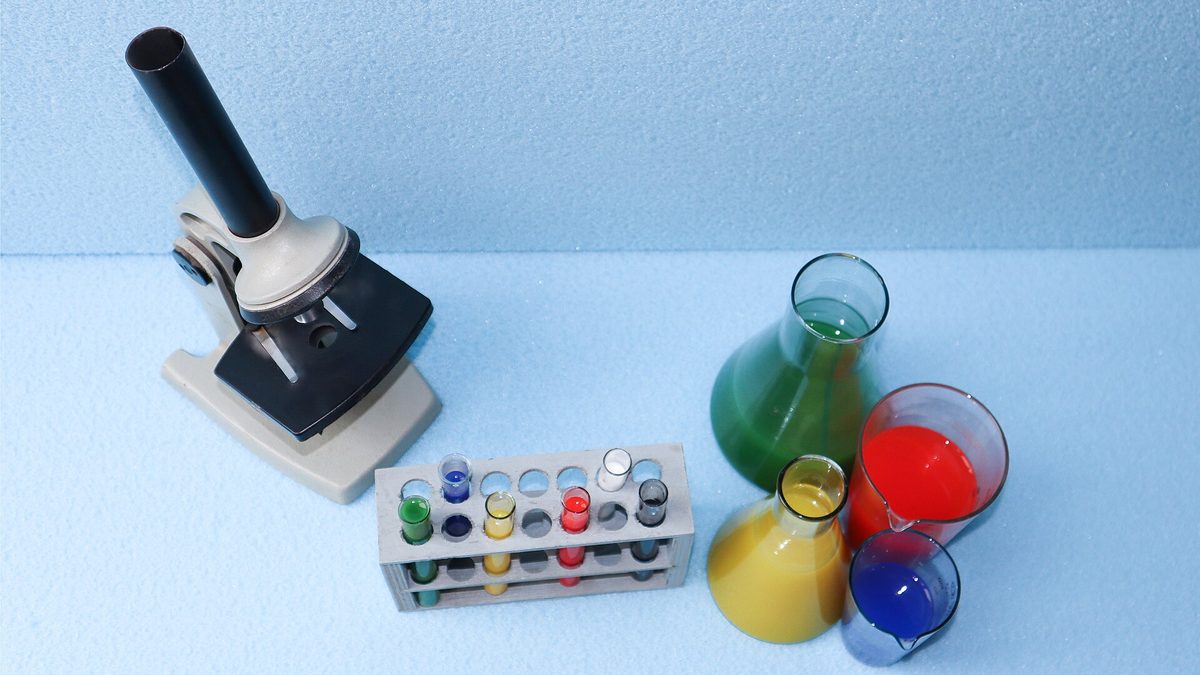
How to Source Laboratory Equipment and Scientific Instruments from China Safely
A microscope, an analyser or a bench instrument is a regulated purchase as much as an engineering one — legal inspection turns on the HS code, measuring instruments may need type approval, and electronics carry CE, RoHS and REACH obligations. How to verify the instrument and its documentation before it ships.

How to Source Raw Materials (Steel, Aluminum, Plastics) from China Safely
A wrong-grade steel coil, an off-spec aluminum temper or a recycled plastic resin passed off as virgin is not a refund problem — it is a failed production run, a rejected shipment or a product that fails in the field. How to verify the mill, the trader and the mill test certificate before you pay for a material you cannot see.
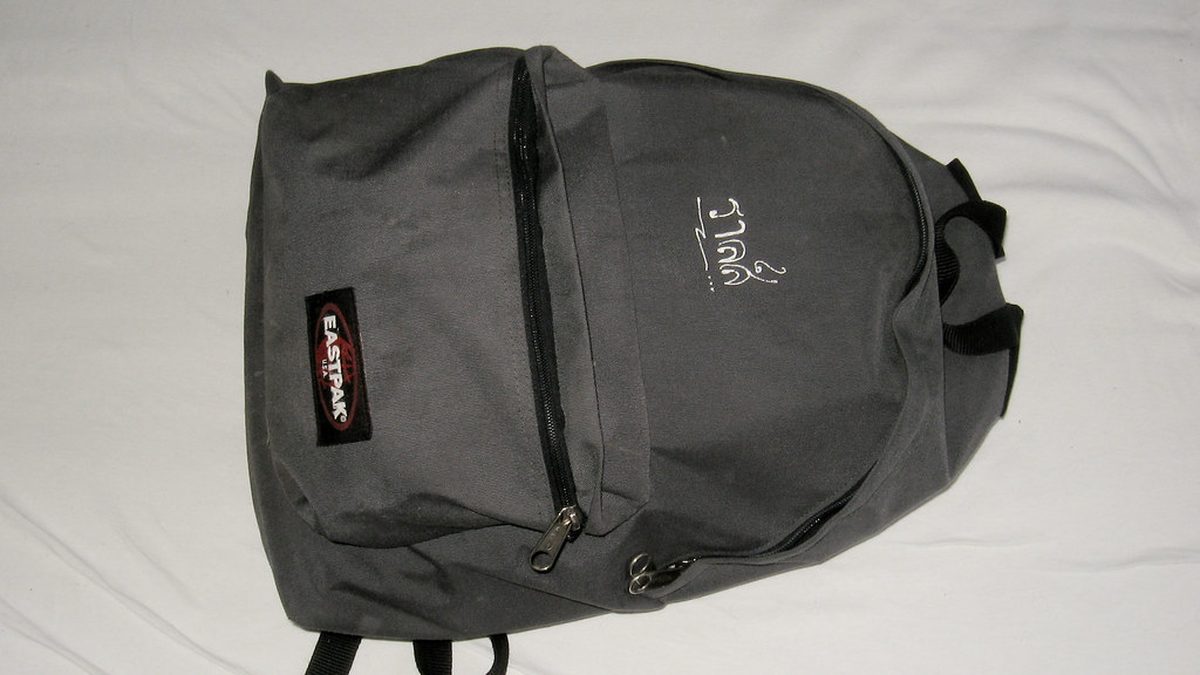
How to Source Bags, Luggage and Travel Accessories from China Safely
A bag is a fashion product, a hardware product and, for children's or travel items, a regulated product at the same time — and the difference between a genuine leather handbag and a PU one is invisible in a catalogue photo. How to verify the factory, lock the materials and hardware, and confirm the restricted-substance tests are real.
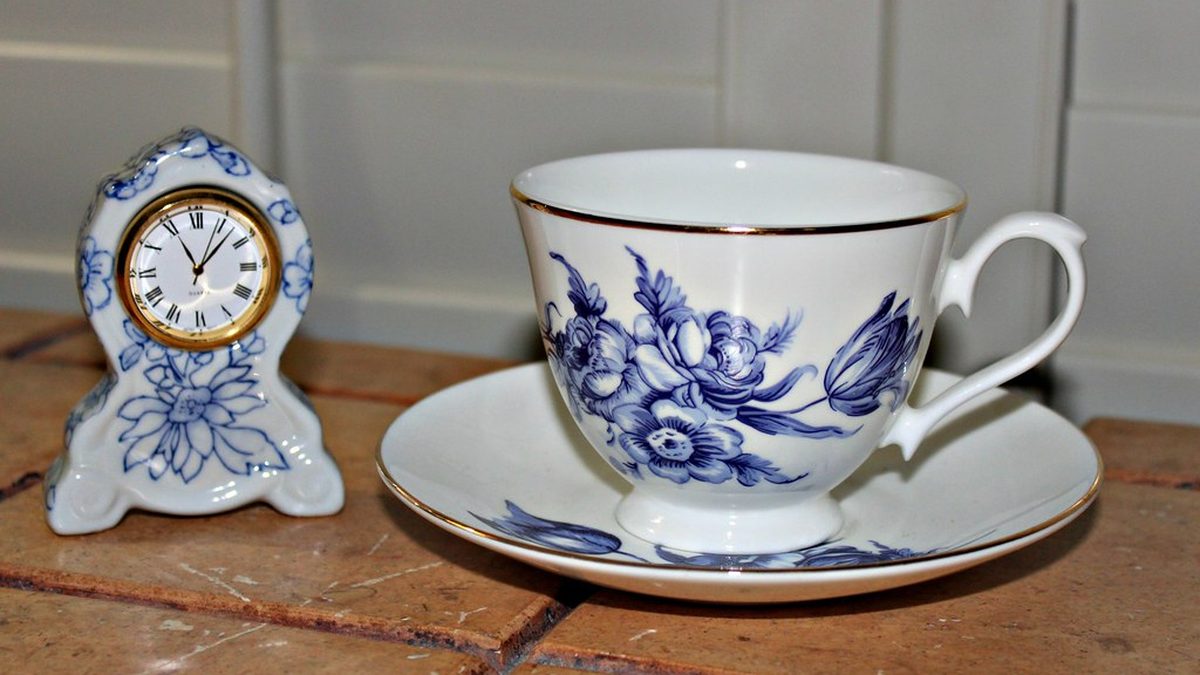
How to Source Glass, Ceramics and Housewares from China Safely
A ceramic plate or glass tumbler that touches food is a food-contact product, and lead, cadmium and migration tests are the point — not an afterthought. How to verify the factory and the kiln, confirm the heavy-metal tests are real, and lock the clay, glaze and breakage terms before you pay.
How to Source Sports and Outdoor Equipment from China Safely
Sports and outdoor equipment looks like one category and is really several: a treadmill that fails under load is a personal injury, a climbing harness that fails is a fatality. How to split regulated from unregulated gear, verify the factory, and confirm the load ratings and certifications are real and in the factory's own name.
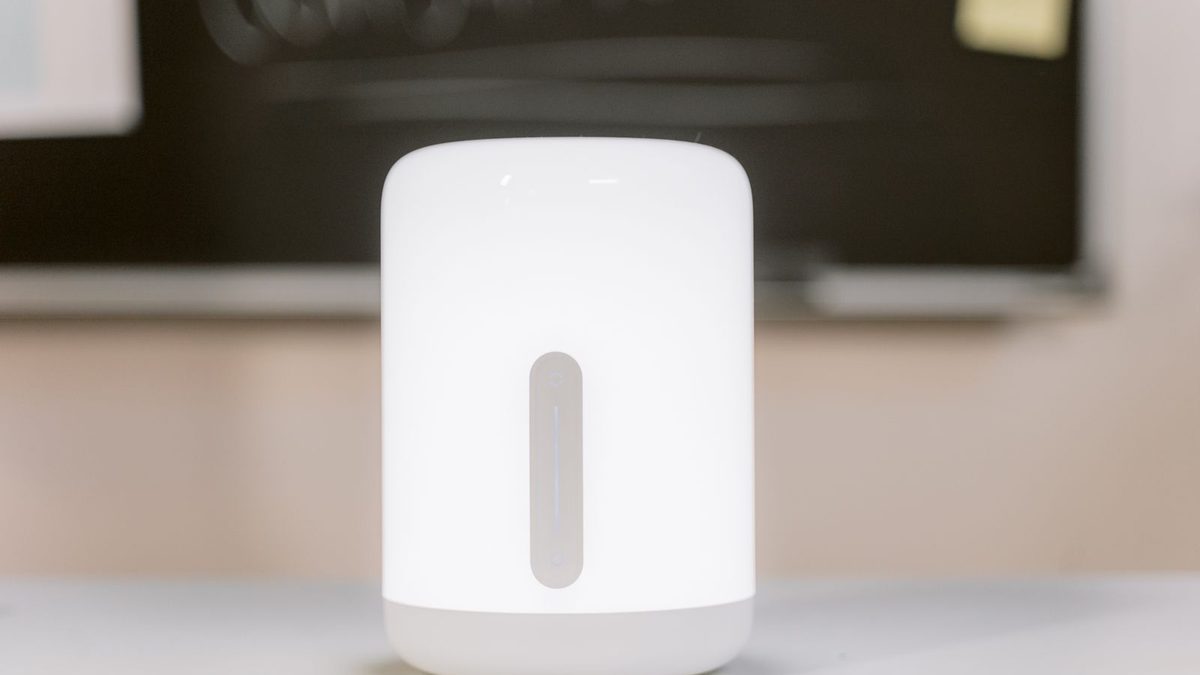
How to Source Lighting and LED Products from China Safely
A light fixture is an electrical product, a photobiological-safety product and an energy-efficiency product at once, and the LED driver and chipset decide all three. How to verify the factory, confirm UL/CE and photometric reports are real, and lock the driver, chip and lumen spec before you pay.
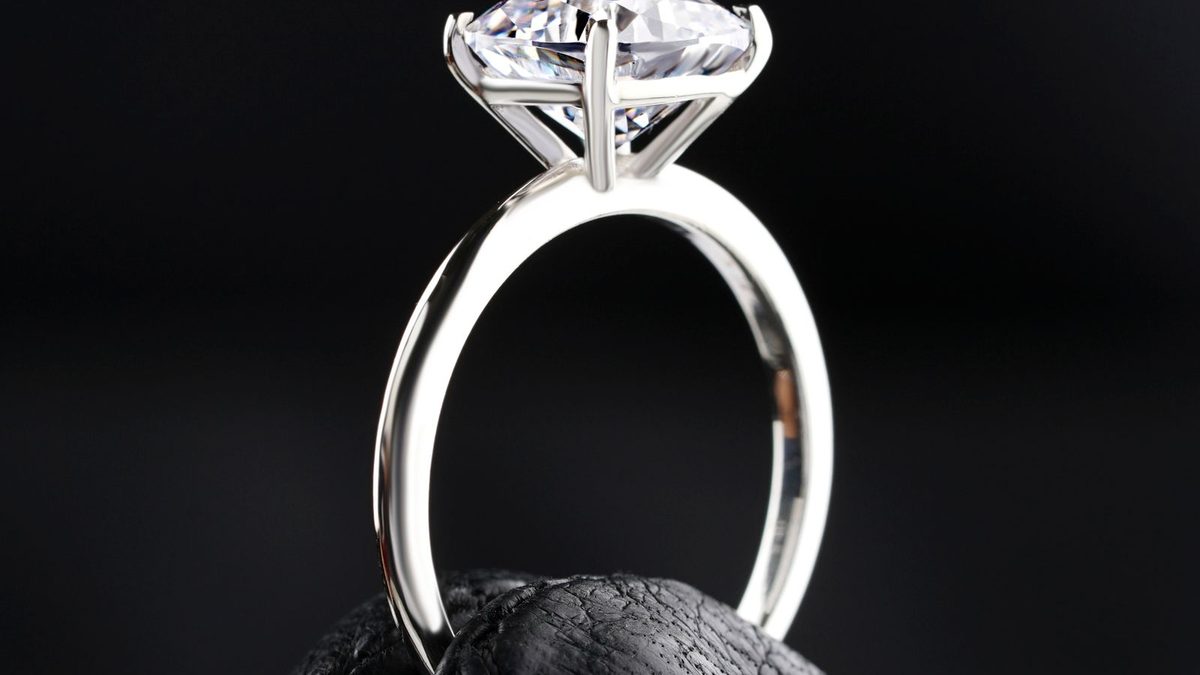
How to Source Jewelry and Watches from China Safely
Jewelry and watches are material-content products first and fashion products second: a nickel or lead fail, a wrong fineness claim, or a fake assay report is a recall and a trust problem at once. How to split precious from costume, verify the factory, and confirm the metal content and plating are what the supplier claims.
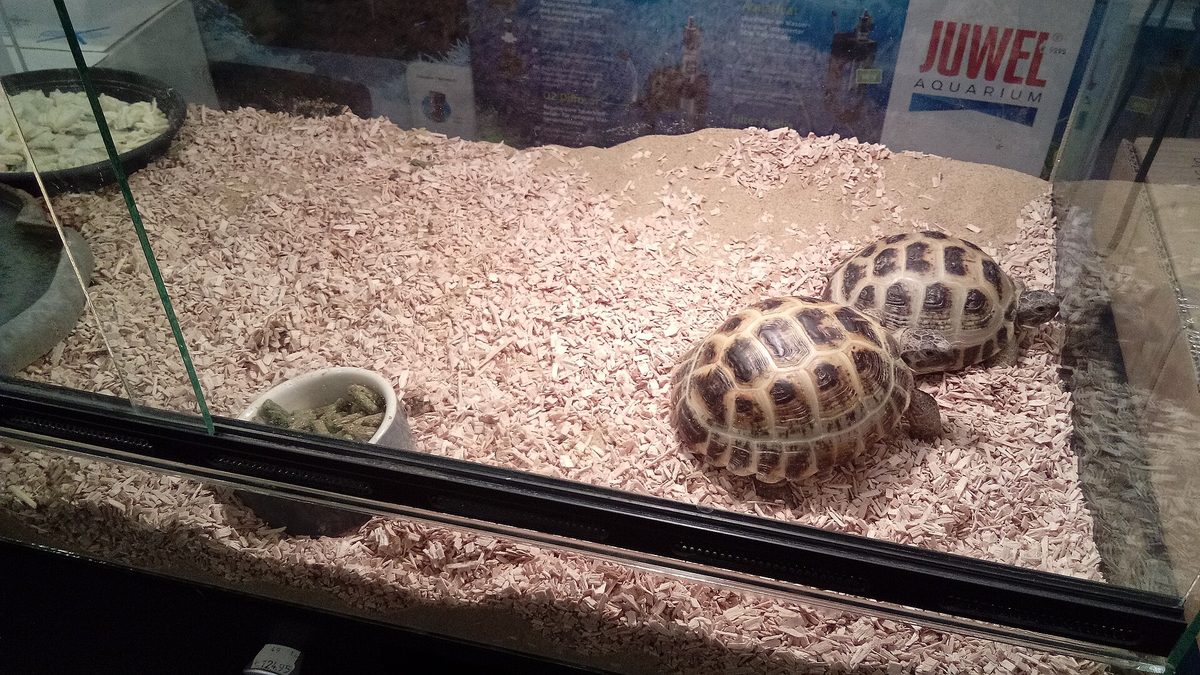
How to Source Pet Products from China Safely
Pet products sit at the top of the emotional-stakes sourcing pyramid: the customer is a family member, and a defective toy or a tainted treat is a recall and a trust problem at once. How to verify the factory, separate pet food from pet products, and confirm the certifications are real and in the factory's own name.

How to Source Smart Home and IoT Devices from China Safely
A smart plug or camera is an electronics product, a radio product and a software product at once, which makes it three compliance stacks deep. How to verify the factory, confirm FCC, CE and cybersecurity certifications are real, and lock down the chipset, firmware and radio module before you pay.
OEM vs ODM Sourcing from China: Which Model and How to Protect Your IP
OEM means you own the design and the factory builds it; ODM means the factory owns the design and you buy it with your brand on top. The model you choose decides who owns the tooling, the files and the certificates — and how easily a supplier can sell the same product to your competitor.