
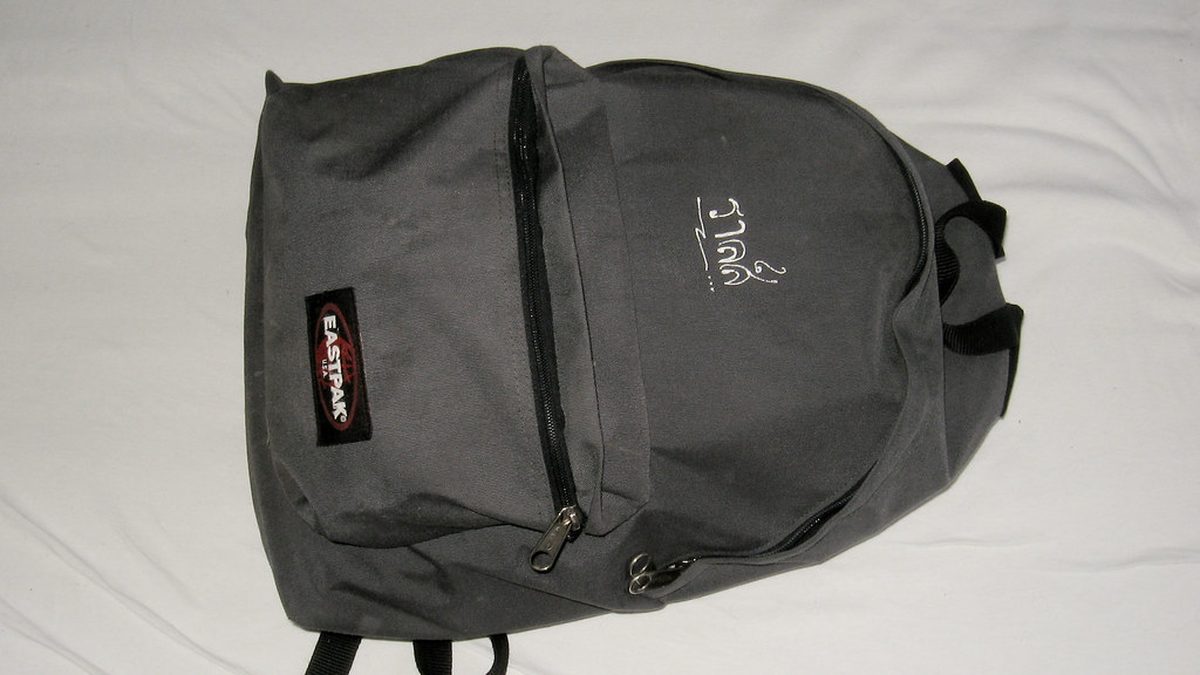
How to Source Bags, Luggage and Travel Accessories from China Safely
A bag is a fashion product, a hardware product and, for children's or travel items, a regulated product at the same time — and the difference between a genuine leather handbag and a PU one is invisible in a catalogue photo. How to verify the factory, lock the materials and hardware, and confirm the restricted-substance tests are real.
Bags, luggage and travel accessories sit at the junction of three very different sourcing problems. They are fashion products, where the material and the finish decide the price; they are hardware products, where the zippers, wheels, handles and frames decide whether the item survives a trip; and for children's items or goods sold into the EU and US, they are regulated products with restricted-substance and labelling rules. A factory that can sew a handbag is not necessarily a factory that can build a wheeled suitcase that survives baggage handling. The checks below separate a real bags and luggage maker from a trading company borrowing a catalogue.
Split fashion from function first
Classify the product, because the obligations follow the class. A fashion handbag is mostly a materials-and-craftsmanship purchase; a wheeled suitcase is a structural product — the telescopic handle, the wheels, the frame and the corner reinforcement are what fail, and a failure is not a refund but an angry traveller and a warranty claim. Travel accessories such as packing cubes, toiletry bags and passport holders sit in between. For children's bags or any item marketed to children, the destination rules change sharply: the US Consumer Product Safety Improvement Act imposes lead and phthalate limits and third-party testing for children's products, and the EU adds REACH restricted-substance and general product-safety obligations. Confirm the exact standard and test for your market before comparing quotes.
Verify the factory actually makes bags and luggage
- Registration and scope — the factory's business scope should cover bags, luggage or leather-goods manufacturing, not just trading.
- Production capability — a real soft-goods line has industrial sewing, cutting and edge-finishing; a real luggage line adds frame assembly, wheel and handle assembly and a durability test rig.
- The certificate holder — any REACH, CPSIA or Proposition 65 test report must be in the factory's own name and match the legal entity on the contract.
- An audit or a live walk-through — confirm the materials, the stitching and the hardware steps, because a substituted material or a cheaper zipper changes the product and voids the test.
Materials and hardware are where the cost hides
The most common substitution is the material: "genuine leather" that is actually PU or bonded leather, a lining downgraded from cotton to polyester, or a zipper switched from a branded YKK to an unbranded copy. The hardware is the other hiding place — the wheel material, the telescopic-handle mechanism and the corner guards decide whether a suitcase lasts one trip or five years. The contract should name the material grade, the lining, the zipper brand and model, and the wheel and handle specification, and it should state what happens if the factory substitutes. A golden sample with photos, weight and the exact materials list is the reference both sides sign off against.
Restricted substances and labelling: the tests you cannot skip
Bags and luggage sold into the EU fall under REACH, which restricts substances such as certain phthalates, azo dyes and, for leather, chromium VI; items that touch the skin or food are the highest risk. In California, Proposition 65 adds its own warning-and-limit regime, and children's products in the US carry mandatory CPSIA testing. Ask for the test reports, confirm they are in the factory's own name and for your exact product, and verify them in the lab's or scheme's public database — the method is the same used across categories, see <a href="/blog/china-product-compliance-certificates-ce-rohs-reach-fcc.html">China Product Compliance Certificates: CE, RoHS, REACH and FCC</a>. For the materials themselves, require the fibre-content and country-of-origin labelling your destination market demands.
Lock the spec and the durability terms before you pay
- A sealed golden sample with the exact materials, hardware and weight.
- A materials and hardware list — leather or fabric grade, lining, zipper brand, wheel and handle specification.
- Durability and test criteria — for luggage, the drop, wheel and handle-cycle tests you expect, with the standard and the pass mark.
- Batch traceability — batch numbers and production records that link shipped goods to the tested sample, so a recall or a warranty claim can be scoped.
A supplier that describes a bag as "genuine leather" but cannot name the leather grade and the tannery — or that swaps a branded zipper for an unbranded copy after sampling — is pricing the material, not the product. Verify the material, the hardware and the test report before the deposit. This content is general information and not legal advice.
Sourcing bags and luggage safely is a materials-and-hardware discipline wrapped in a compliance one. Split fashion from function, verify the factory and the certificate holder, and lock the material, hardware and durability spec into the order. The buyer who does that ships the bag in the sample photo; the buyer who trusts the catalogue ships the one that falls apart at the airport.
Related guides
Verify a supplier now
Run due diligence on a Chinese supplier before you pay.